


Why Change Your Sanitary Napkin Regularly
Sanitary napkins, or pads, are essential products for menstrual hygiene, designed to absorb menstrual flow and maintain cleanliness. Regularly changing your sanitary napkin is not just a matter of comfort but also an important factor in your overall health and hygiene.
By changing sanitary napkins frequently, you ensure that your skin remains clean and dry, reducing the risk of irritation, rashes, and infections. When left unchanged for too long, sanitary napkins can create a breeding ground for bacteria, which may lead to unpleasant odors or more serious conditions like urinary tract infections (UTIs). Regular changing also helps avoid discomfort and ensures that the pad can do its job effectively in managing menstrual flow.
When to Change Your Sanitary Napkins
The frequency with which you should change your sanitary napkin depends on several factors, such as the heaviness of your menstrual flow and the type of pad you're using. Generally, it’s recommended to change your sanitary napkin every 4 to 6 hours during the day, but this can vary depending on individual needs.
For women with heavier menstrual flow, it may be necessary to change the pad more frequently—every 2 to 3 hours to ensure maximum absorbency and comfort. Conversely, women with lighter flow may not need to change as often, but it's important to monitor the pad’s absorbency throughout the day.
Signs You Need a New Sanitary Napkin
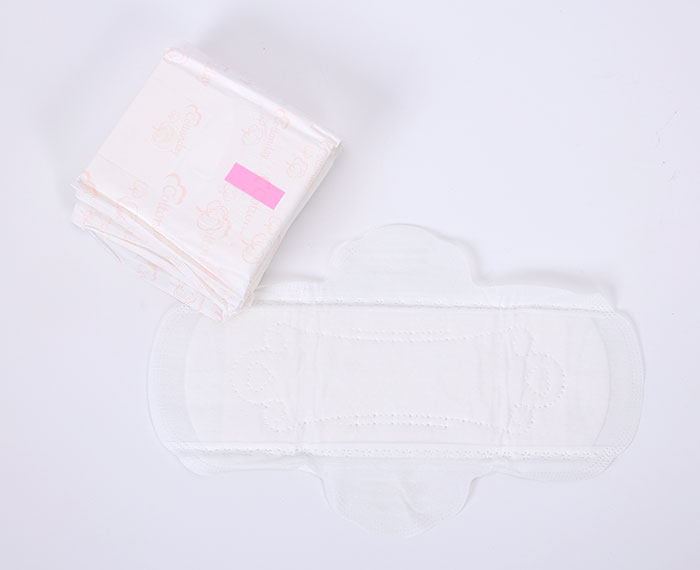
E-Way Ultra Thin Sanitary Napkins
Knowing when it's time to change your sanitary napkin is essential for maintaining hygiene. Here are some key signs that indicate you need to replace your pad:
• Wetness or Saturation: If your sanitary napkin feels damp or saturated, it’s time for a change. A wet pad can lead to discomfort, skin irritation, and increased bacterial growth.
• Odor: A foul or unusual odor is a clear sign that the sanitary napkin has absorbed its maximum capacity. The presence of odor indicates bacterial activity, which can lead to infections.
• Leakage: If your pad is leaking, it’s a sure indication that it has reached its limit and needs to be replaced immediately.
• Discomfort: If you start feeling discomfort, itching, or irritation, it’s a sign that the pad might be too full or causing friction against your skin.
Risks of Keeping Sanitary Napkins Too Long
While it might seem convenient to keep your sanitary napkin on for a longer period, doing so can expose you to various health risks.
Here are some potential risks associated with leaving your pad on for too long:
• Bacterial Growth: As mentioned, damp pads are a breeding ground for bacteria. Prolonged exposure to bacteria can lead to urinary tract infections (UTIs), vaginal infections, or even more severe conditions like Toxic Shock Syndrome (TSS), a rare but serious bacterial infection.
• Skin Irritation: Wearing a sanitary napkin for too long can cause the skin to become irritated, especially in areas with friction. This may lead to rashes, redness, or even open sores in sensitive areas.
• Unpleasant Odor: Over time, a used pad will begin to develop a strong odor. This is caused by the bacteria breaking down the absorbed menstrual fluid. The longer the pad is worn, the stronger the odor becomes.
Health Risks of Not Changing on Time
Failing to change your sanitary napkin on time can have several negative consequences. Apart from bacterial infections, you may experience the following health risks:
• Increased Risk of Yeast Infections: Prolonged exposure to moisture can disrupt the natural balance of the vaginal flora, leading to yeast infections. The damp environment in an overused sanitary napkin creates the perfect breeding ground for the fungus responsible for yeast infections.
• Urinary Tract Infections (UTIs): The warm, moist environment that results from wearing a sanitary napkin for too long can make it easier for bacteria to enter the urethra and cause a UTI.
• Chafing and Discomfort: Wearing a sanitary napkin for an extended period can cause uncomfortable friction, leading to chafing and irritation of the skin, especially in sensitive areas like the groin.
• Toxic Shock Syndrome (TSS): While rare, TSS is a serious condition associated with prolonged use of menstrual products. It occurs when harmful bacteria, like Staphylococcus aureus, grow in the pad and release toxins into the bloodstream. Symptoms of TSS include fever, dizziness, and rash, and it requires immediate medical attention.


