


Why This Market Matters Now
The global feminine hygiene market has been quietly growing for decades — but the pace is picking up. What used to be a pretty straightforward category is now being reshaped by shifting consumer values, new health awareness, regulatory pressure, and a wave of innovative products that didn't exist ten years ago.
At the center of it all are two products that still dominate the shelves: sanitary pads and tampons. Together, they account for the vast majority of global sales and are the go-to choices for hundreds of millions of women worldwide. But how they're being made, marketed, and purchased is changing fast — and that's exactly what makes this market worth paying attention to.
This article breaks down the key growth trends shaping these two categories, what's driving demand in different parts of the world, and where the industry is likely headed over the next decade.
Sanitary Pads: The Dominant Player
What's Fueling Growth
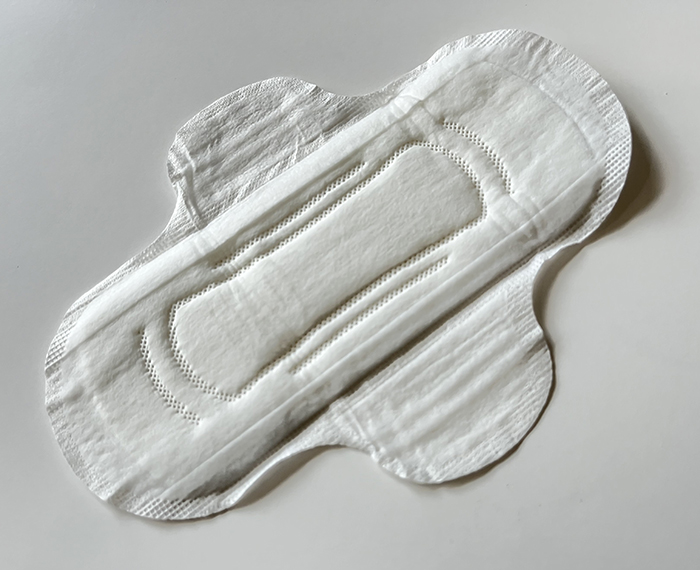
In emerging markets, growth is largely about access and awareness. Government-led menstrual health programs — particularly in India and several African countries — are bringing pads to women and girls who previously had limited or no access to safe, hygienic products. That's a massive driver of volume growth that's unlikely to slow down any time soon.
In developed markets, the growth story is more about premiumization. Women are spending more per product, but buying into brands they trust — ones that are transparent about ingredients, sustainable in their packaging, and aligned with their values. It's less about growth in units and more about growth in revenue per unit.
Tampons: A Market at a Crossroads
The Challenges Tampons Are Facing
Tampons are under pressure from two directions at once — and that makes their growth story more complicated than pads.
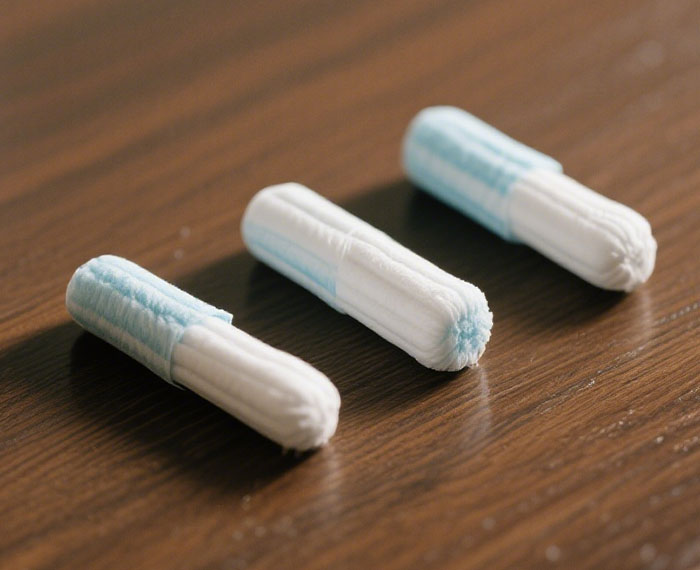
First, there's competition from alternative period products. Menstrual cups, period underwear, and reusable discs have all gained meaningful traction over the past five years, particularly among younger, environmentally-conscious consumers. In some markets — notably the UK — tampon sales have actually declined as users switch to these alternatives. It's not a collapse, but it's a real headwind.
Second, there's a regulatory challenge that most people haven't heard about, but that could be significant. In 2024, the US FDA launched an investigation into trace amounts of metals — including lead and arsenic — found in some tampon products. This drew widespread media attention and clearly rattled consumer confidence. The short-term impact has been increased scrutiny; the longer-term impact could be industry-wide reformulation and stricter labeling requirements. For brands that can get ahead of this with full ingredient transparency, it's an opportunity. For those that can't, it's a risk.
Where Growth Is Coming From
The largest regional market at 39.1% share. China and India are the engines — growing populations, rising disposable incomes, and active government health programs are all pushing demand upward. Pads dominate heavily; tampons remain relatively niche outside Japan and South Korea.
A mature but high-value market. Growth is driven by premiumization — organic products, sustainable packaging, and DTC brands. Tampons hold a much larger share here than elsewhere. Consumer activism around ingredient transparency is especially strong.
Similar to North America in maturity, but with stronger sustainability-driven preferences. Non-applicator tampons are the norm. Several European governments have eliminated VAT on period products — a policy nudge that's making premium alternatives more affordable.
Earlier-stage markets with high long-term potential. The biggest challenge isn't preference — it's access and price. NGO partnerships and government programs are beginning to bridge this gap. Volume growth here will be the story of the next decade.
What's Really Driving This Market
-
Sustainability pressure — Between 2023 and 2025, roughly 44% of new product launches used biodegradable or sustainably-sourced materials. That's not a niche trend anymore — it's becoming a baseline expectation, especially among younger buyers. Brands that lag here will feel it in both sales and brand perception.
-
E-commerce as a growth engine — Online channels have been a quiet but powerful driver of category growth, especially for tampons and newer period products. Shopping online removes the social awkwardness that can still exist around menstrual products in some markets, and makes it easier for women to try new formats they wouldn't necessarily pick up from a store shelf.
-
Policy and advocacy — The "menstrual equity" movement is gaining legislative momentum globally. Tax exemptions on period products, free distribution in schools and prisons, and public health funding are all expanding access — and expanding the market along with it.
-
Destigmatization — Conversations about menstruation are louder and more mainstream than they've ever been. That cultural shift translates directly into greater willingness to try new products, spend more, and talk openly about product preferences — all of which lifts the overall market.
Looking Ahead to 2035
The numbers tell a clear growth story for both categories — steady, sustained, and underpinned by structural tailwinds that aren't going anywhere.
Pads will continue to lead in volume, especially as emerging markets grow. Tampons will grow more slowly in absolute terms, but the organic and premium segments will outperform the broader category — a pattern we see across many consumer health categories.
The brands that win over the next decade won't just be competing on absorbency. They'll be competing on trust — in their ingredients, their environmental commitments, and their ability to speak authentically to a consumer who is more informed, more demanding, and more willing to switch than ever before.


